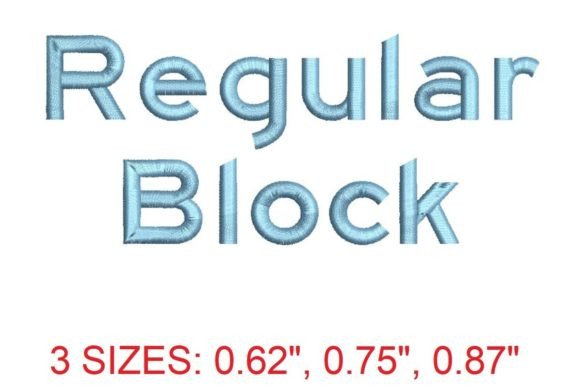
Mastering the Regular Block Embroidery Font for Creative and Professional Use
The Regular Block embroidery font has become a staple in the world of machine embroidery, offering a blend of simplicity and elegance that appeals to both seasoned professionals and enthusiastic hobbyists. This font is not just another design option—it's a versatile tool that enhances the clarity and professionalism of any stitching project. Its clean, bold letterforms make it ideal for a wide range of applications, from monograms and personalized gifts to large-scale branding initiatives.
Understanding the Design Characteristics
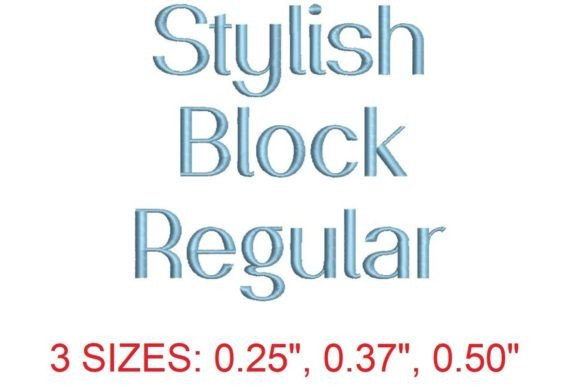
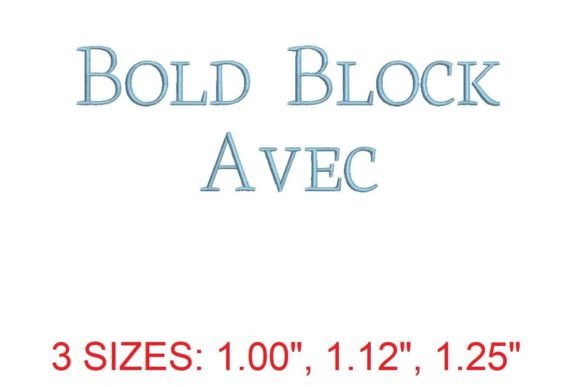
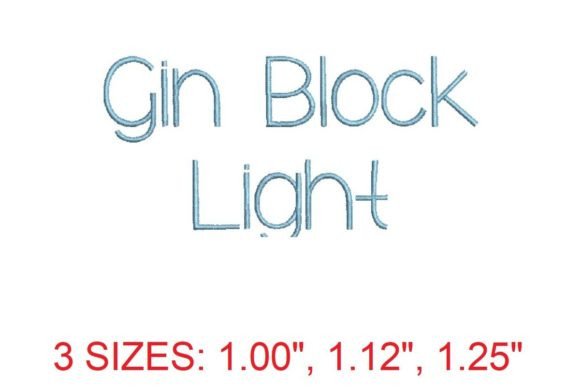
The Regular Block embroidery font is characterized by its straightforward and precise lettering. Each character is crafted with clean lines and consistent spacing, ensuring that the text remains legible even when scaled up or down. This makes it particularly suitable for projects where readability is crucial, such as name tags, signage, or embroidered logos.
One of the standout features of this font is its adaptability. Whether you're working on a small personal project or a large commercial design, the Regular Block font maintains its integrity and visual appeal. The uniformity of the letterforms also allows for easy customization, making it a favorite among designers who want to maintain a cohesive look across multiple pieces.
Compatibility and File Formats
Another significant advantage of the Regular Block embroidery font is its compatibility with various embroidery machines. It comes in the widely used PES file format, which is supported by popular brands such as Brother Babylock and other major embroidery machine manufacturers. This ensures that users can seamlessly integrate the font into their existing workflows without encountering compatibility issues.
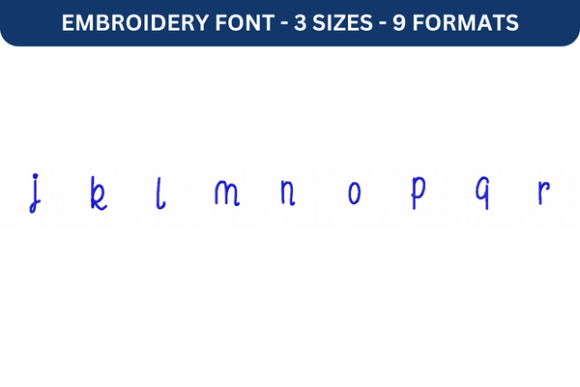
In addition to PES files, the font is available in multiple formats, allowing for greater flexibility in how it can be used. This is especially beneficial for creators who work with different types of embroidery machines or who need to share designs with others who may use different equipment. The availability of multiple file formats also means that users can easily adjust the design to suit their specific needs, whether they are working on a simple project or a complex multi-layered design.
Use Cases and Practical Applications
The versatility of the Regular Block embroidery font extends beyond traditional uses. It is commonly employed in a variety of contexts, including:
- Monograms and Personalized Items: Ideal for creating custom monograms on clothing, accessories, and home décor items.
- Branding and Logo Design: Perfect for incorporating brand names or logos into embroidered products, ensuring a professional and polished appearance.
- Event and Wedding Invitations: Used to add a touch of elegance to invitations, place cards, and other event-related materials.
- Custom Apparel: Frequently used in the fashion industry for customizing t-shirts, jackets, and other garments with personalized text.
- Artistic Projects: Artists and designers often use this font to create unique textile art pieces that combine typography with visual elements.
Each of these applications benefits from the font's clean and consistent design, which enhances the overall aesthetic of the finished product. Whether you're creating something for personal use or for a client, the Regular Block embroidery font provides a reliable and stylish solution.
Technical Considerations and Best Practices
When working with the Regular Block embroidery font, it's important to consider several technical aspects to ensure optimal results:
- File Size and Resolution: Always check the file size and resolution before using the font on your embroidery machine. Larger files may take longer to stitch and could affect the quality of the final output.
- Stitch Density: Adjust the stitch density based on the fabric type and the desired level of detail. A higher stitch density will produce a more intricate design, while a lower density is suitable for simpler projects.
- Testing and Previewing: Before committing to a full design, it's advisable to test the font on a small piece of fabric to ensure that the stitching looks as expected.
- Machine Settings: Make sure your embroidery machine is properly calibrated and that all settings are optimized for the specific font and design.
- Backup and Organization: Keep a backup of your embroidery files and organize them in a way that makes it easy to locate and reuse them in future projects.
By following these best practices, users can maximize the potential of the Regular Block embroidery font and achieve professional-quality results every time.
Comparisons with Other Embroidery Fonts
While there are many embroidery fonts available, the Regular Block font stands out for its simplicity and reliability. Unlike more ornate or decorative fonts, which can sometimes be difficult to read or may not translate well to certain fabrics, the Regular Block font offers a balanced approach that prioritizes clarity and functionality.
For example, compared to script fonts, which are often used for elegant or formal designs, the Regular Block font is more suited to projects that require readability and precision. Similarly, when compared to block fonts with more elaborate details, the Regular Block font maintains a clean and uncluttered appearance that is ideal for a wide range of applications.
This balance between style and functionality makes the Regular Block embroidery font a valuable asset for both beginners and experienced embroiderers alike. It is particularly useful for those who are looking for a font that can be used consistently across different projects without requiring extensive customization.
Conclusion and Future Trends
As the demand for high-quality, customizable embroidery continues to grow, the Regular Block embroidery font is poised to remain a popular choice among creators and professionals. Its ability to adapt to various projects and its compatibility with modern embroidery technology make it a reliable and versatile option in the ever-evolving world of textile design.
Looking ahead, the trend towards digital embroidery and online design platforms is likely to further increase the accessibility and popularity of fonts like the Regular Block. As more people turn to digital tools for their embroidery needs, having access to a font that is both functional and aesthetically pleasing becomes increasingly important.
Whether you're a hobbyist looking to enhance your personal projects or a professional seeking to streamline your workflow, the Regular Block embroidery font offers a practical and effective solution. By understanding its characteristics, advantages, and best practices, you can unlock new creative possibilities and elevate your embroidery work to new heights.